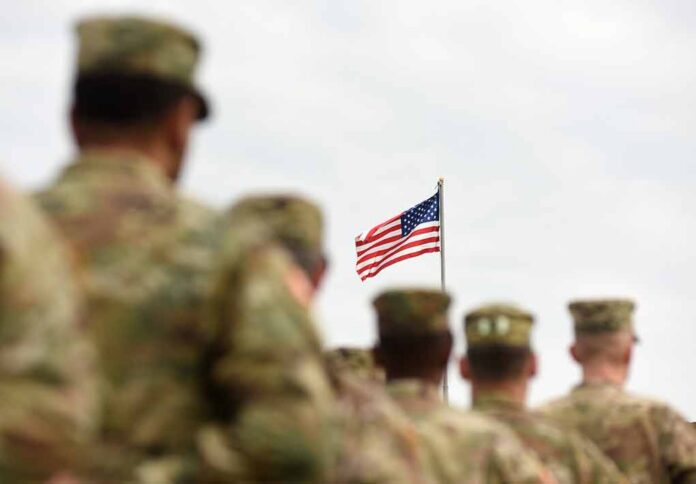
As more than 400 U.S. troops have been hurt in the Iran war, the Pentagon is now under fire for quietly keeping dozens of those injuries off the public record.
Story Snapshot
- Central Command says it is not required to disclose most non‑fatal wartime injuries, even as more than 400 U.S. service members have been hurt in the Iran conflict.
- The Pentagon publicly reported about 140 wounded in 10 days of fighting, saying most injuries were minor and 108 troops returned to duty, but later totals climbed to over 400.
- Critics, including wounded soldiers and families, say brain injuries and other serious harm are being downplayed or hidden, reviving fears of a “casualty cover‑up.”
- Past Iran‑related missile attacks also saw initial “no injuries” claims replaced by higher counts of traumatic brain injuries, which forced a review of injury reporting rules.
What The Pentagon Has Admitted So Far
Central Command and the Pentagon now say that more than 400 American service members have been injured during the ongoing war with Iran. Officials first gave a lower figure in March, when Pentagon spokesperson Sean Parnell announced that about 140 service members had been wounded over 10 days of intense attacks linked to Operation Epic Fury. Parnell stressed that the vast majority of these wounds were minor, and said 108 of the injured troops had already returned to duty.
The Pentagon has also acknowledged that a smaller number of troops suffered severe harm in those early strikes. Parnell confirmed that eight service members were considered severely injured and were receiving top‑level medical care. Later briefings and media reports raised the overall injury count as the war expanded, with Central Command eventually confirming that more than 400 U.S. personnel had been hurt since fighting began. Even with these higher totals, officials have continued to emphasize that most injuries were classified as minor.
How And Why Injuries Were Kept Quiet
A U.S. military official told The New York Times that Central Command is not required to release information about injured troops, especially when they quickly return to duty. Pentagon casualty rules focus on publicly naming deceased service members after family notification, while the names of the wounded are usually withheld. According to earlier statements on military protocol, commanders are not obliged to notify the Pentagon immediately about injuries unless there is loss of life, loss of limb, or loss of eyesight.
The Times reported that this mix of rules and discretion meant dozens of injuries from renewed Iranian attacks were never announced, even though Central Command had the information. In one recent incident, the command stated that four wounded Americans were treated at hospitals in Jordan and discharged, but only referred to “more” troops with minor injuries who had gone back to work, without giving a number. Over recent weeks, Central Command had also stopped updating its running total of those injured and returned to duty, creating a gap between private casualty tracking and what the public is allowed to see.
Echoes Of Earlier Iran Strike Reporting Problems
This controversy follows a pattern seen after Iran’s January 2020 missile strike on a U.S. base in Iraq, when public statements moved slowly and seemed to minimize harm. Initially, President Trump said that no Americans were hurt in that attack, but the Pentagon later disclosed that 11 troops were treated for concussion symptoms. Within days, officials revised the injury count again, reporting that 34 service members had been diagnosed with concussions or traumatic brain injuries.
Of those 34 troops, Pentagon spokesperson Jonathan Hoffman said 17 had already returned to duty, while 17 remained under medical observation, including nine still in Germany. Further updates pushed the total higher, with 110 troops eventually diagnosed with mild traumatic brain injuries from the January strike alone. These changing numbers led Defense Secretary Mark Esper to order a review of how all battlefield injuries, not only brain injuries, are tracked and reported by the military. That history is now shaping how soldiers and citizens see the latest Iran war casualty disclosures.
Voices Of Troops, Families, And A Frustrated Public
Wounded soldiers and their families are adding pressure by accusing military leaders of downplaying injuries and hiding the real toll. In televised interviews and online videos, troops have described shrapnel wounds, damaged lungs, and lasting brain injuries that they believe were brushed aside as minor or “not serious” in official accounts. One soldier said he “absolutely” believes the Pentagon tried to downplay an earlier Iranian strike, while another complained of medical neglect after returning home.
Pentagon Withheld Dozens of U.S. ' Military Injuries in Iran War – The New York Times https://t.co/rU6mPjNbhD
— @CTGJR (@CtgjrJr) July 20, 2026
These stories are resonating with many Americans who already feel that the federal government serves elites first and ordinary people last. For conservatives, the idea that the Pentagon might be hiding injuries fits long‑standing anger over wars managed by distant bureaucrats and political insiders. For liberals, it deepens concern that the human cost of national security policy falls on working‑class troops while leaders focus on their public image. Both sides see a system where protecting careers and narratives can matter more than telling families and taxpayers the full truth.
Political Stakes And The Bigger Transparency Battle
Media investigations and past insider accounts show why casualty numbers carry such high political stakes. News outlets have documented a broader pattern in which the United States military delays or selectively reports non‑fatal injuries in several conflicts, often citing security, technical definitions of “wounded,” or family notification rules. A former Trump administration official has even claimed that the White House once pushed the Pentagon to change how it reported injuries after an Iranian missile attack, due to worries about negative press coverage.
Across decades of war, one thing remains constant: lower official casualty counts make it easier for presidents and lawmakers to keep support for long, costly operations. At the same time, proven undercounting can spark public anger, damage trust in the armed forces, and fuel demands for reform from both left and right. For many Americans, the current Iran war injury debate is not just about numbers. It is about whether a government that asks young men and women to risk their lives is willing to give those troops, and their families, straight answers about the true price they are paying.
Sources:
nytimes.com, abcnews.com, youtube.com, aljazeera.com, pbs.org, timesofisrael.com, telesurenglish.net, defenseone.com, businessinsider.com, esd.whs.mil