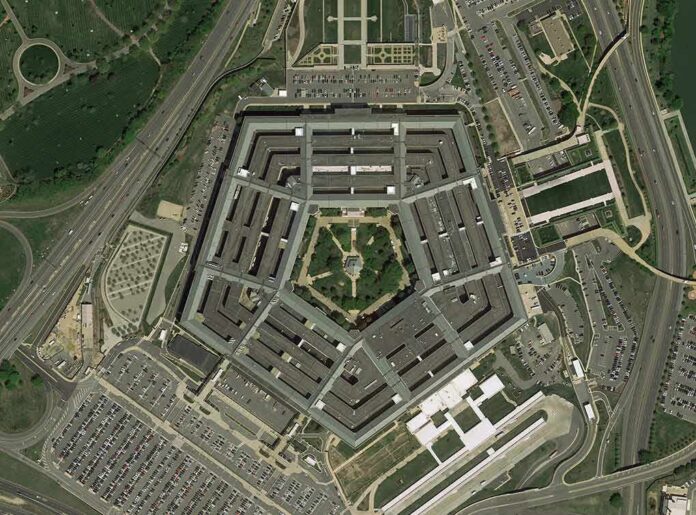
The Pentagon confirmed 140 U.S. troops were wounded in Iran war strikes, but only after news reporters uncovered dozens of earlier injuries the military never announced on its own.
Quick Take
- The Pentagon says 140 U.S. service members were wounded over 10 days of fighting, with 108 already back on duty.
- The New York Times reported the Pentagon knew about earlier strikes and injuries but chose not to reveal them.
- Military rules only require reporting deaths or the loss of a limb or eyesight, not every wound.
- This mirrors a 2020 pattern, when officials first said “no one was hurt,” then later admitted 110 troops had brain injuries.
- Soldiers, families, and senators are now openly questioning whether the real number is being hidden.
Pentagon Confirms Wounded, Then Faces Questions
Pentagon spokesperson Sean Parnell told reporters that around 140 U.S. service members were wounded during ten days of continuous strikes tied to the Iran conflict. He said the overwhelming majority of those wounds were minor, and 108 troops had already returned to duty. Central Command (CENTCOM) had earlier tracked injuries but stopped regularly updating that public count as the fighting went on.
The New York Times reported something more troubling than a slow update. It found the Pentagon knew about earlier strikes, along with the injuries and equipment damage they caused, and chose not to tell the public. Anonymous officials told the paper that helicopter damage and dozens of injuries from that earlier fighting never made it into any official announcement.
Rules Allow Silence on Minor Wounds
A U.S. military official told the Times that CENTCOM is not required to publish casualty numbers when wounded troops quickly return to duty. This lines up with long-standing Pentagon policy. A Pentagon spokesperson explained in 2020 that protocol only requires notifying leadership about a casualty if it involves a death, a lost limb, or lost eyesight. Under that rule, hundreds of minor injuries can legally stay unreported for weeks.
This is not the first time troop injuries from an Iran-related attack were undercounted at first. After a January 2020 Iranian missile strike, President Trump said no one was hurt. Officials later admitted 11 troops were flown out with concussion symptoms. That number then grew to 34 troops diagnosed with brain injuries, and finally to 110 troops with mild traumatic brain injuries months later.
Families and Senators Push Back
Chief Warrant Officer Rodney Biermann’s wife, Amy, said the Pentagon told her his injuries were not serious, a description she disputes. Another soldier, when asked if the military tried to downplay the attack, answered simply, “Absolutely, I think they have”. Their accounts add a personal weight to numbers that many feel don’t tell the whole story.
They can’t govern on lies
Pentagon Withheld Dozens of U.S. Military Injuries in Iran War https://t.co/2rMRafUeef via @NYTimes
— DV (@zprofet) July 21, 2026
A former Trump administration official told Business Insider that the White House once asked the Pentagon to change how it reported casualties after the 2020 missile attack, citing concern over negative press coverage. That claim, paired with senators now publicly asking whether the “real toll is being hidden,” puts political motive alongside military protocol as a possible reason for the silence.
A Pattern Bigger Than One War
Undercounting non-fatal wounds is not new for the Pentagon. After the 2020 attack drew criticism, then-Defense Secretary Mark Esper ordered a review of how injuries were tracked and reported. Similar transparency fights have played out over Afghanistan and Iraq casualty counts for years, with officials often saying exact numbers are simply “not knowable.” That history suggests this is less a one-time secret and more a repeated habit.
For a public already skeptical of Washington, the pattern lands hard regardless of political leaning. Troops and their families want honest numbers about who got hurt defending the country. Whether the missing injury counts reflect legal technicalities or a deliberate effort to avoid bad headlines, the gap between what the Pentagon says and what happened keeps growing harder to ignore.
Sources:
mediaite.com, abcnews.com, youtube.com, aljazeera.com, pbs.org, timesofisrael.com, factcheck.org, telesurenglish.net, defenseone.com