Disney’s “happiest place on Earth” has a quiet, chilling code for when Grandma’s ashes show up in a Doom Buggy.
How Human Ashes Became A Recurring Problem For Disney
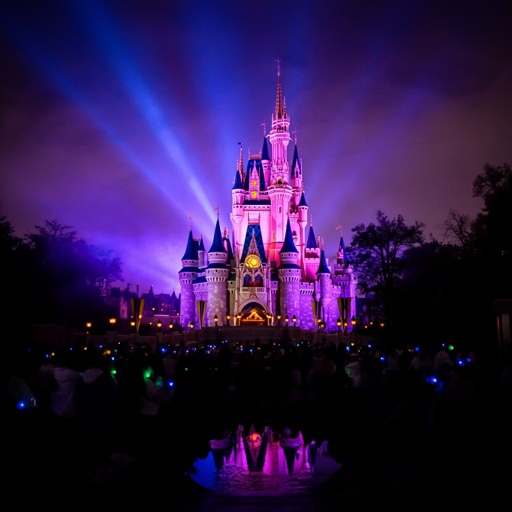
Fans do not just buy the T-shirt anymore; some try to stay in Disney World forever. Families quietly unpack urns in Doom Buggies, lean over railings near Cinderella Castle, or pour “a little bit” into flower beds. Cast members report that ashes incidents happen often enough to justify specific internal codes and training. What looks like a bit of dust on the floor to you might be the reason a ride suddenly goes down for “technical difficulties.”
Staff treat any suspicious white powder as a serious matter before they ever confirm it is cremated remains. Modern security culture does not allow guesswork with unidentified substances. Once a cast member spots something, they radio for help using discreet language. Guests around them hear nothing ominous, just routine chatter, while operations and custodial teams quietly shift into a very specific, very morbid protocol designed to keep both safety and illusion intact.
The Secret Language: Code A, Code Grandma, And White Powder Alerts
Cast members rely on shorthand codes so they do not have to say “someone dumped human ashes” over open radio channels. Multiple insider accounts and fan reports describe “Code A” as the go-to term when ashes are suspected in an attraction. Others mention “white powder alert” and the darkly comic “Code Grandma.” This is not corporate cute; it is a practical way to keep guests calm while summoning people with HEPA vacuums and protective gear.
Those same insiders describe a broader code system most big parks use. Code V flags vomit, Code H marks solid human waste, and BBP warns of bloodborne pathogens. Ashes fall into a similar bucket: not just “gross” but a potential biohazard until proven otherwise. From a common-sense, conservative standpoint, this is exactly how a responsible property owner should behave. You do not shrug at unidentified powder where millions of families bring their kids.
What Really Happens When Disney Detects Ashes
When a “Code A” call goes out, the priority shifts from showmanship to containment. Attractions like Haunted Mansion can stop mid-ride. Doom Buggies halt, lights may come up, and guests are evacuated with vague apologies about a technical issue. Behind the scenes, specialized custodial teams move in with HEPA vacuums to remove every trace of the remains. Reports consistently state that everything they collect is treated as waste and disposed of, not quietly honored or preserved.
This is the part that grieving families rarely think through. The loved one they hoped to leave in their “happy place” does not end up haunting the ballroom scene; they wind up in a trash bag after triggering a safety protocol. When media and former cast members spell this out, it aligns with basic moral clarity: private grief does not give anyone the right to break the law, disrupt thousands of paying guests, and hand low-wage workers the job of vacuuming human remains.
Why Scattering Ashes At Disney Is Illegal And Ethically Problematic
American law is straightforward here. Scattering ashes on private property requires the owner’s permission. Disney does not grant that permission, and signs and policies make it clear. Once someone sneaks ashes into a park, they are not performing a harmless sentimental gesture; they are trespassing on property rights and turning a public-facing environment into an involuntary memorial without consent from the owner or the other guests walking through it.
The ethical problem runs deeper than a legal fine print. Other families paid thousands of dollars for what they believe is a clean, safe environment. They did not consent to sit in or walk through someone else’s remains. Treating ashes as a biohazard may sound harsh, but from a limited-government, personal-responsibility perspective, it reflects exactly the duty a private business owes to the broader public, not to the handful of fans trying to bend the rules for an emotional moment.
Haunted Mansion: From Happy Haunts To Operational Headache
Haunted Mansion inevitably sits at the center of these stories. Its “999 happy haunts” vibe attracts fans who think sprinkling a loved one there is poetically fitting. Former employees say the ride has seen enough incidents to justify targeted training. Powder shows up on the floor of a Doom Buggy or near a scene; cameras catch a hand tossing something over the edge; a sharp-eyed cast member notices residue where nothing should be.
Each incident translates into downtime, cleanup costs, and awkward guest interactions. Cast members juggle staying in character with quietly shutting down a scene that may now contain cremated human remains. Over time, this turns from a quirky one-off tale into an operational pattern. That is why codes like “Code A” and protocols like HEPA cleanups exist in the first place: repeated, avoidable behavior forced Disney to formalize an answer.
Some media outlets frame all this as a juicy “dark secret Disney does not want you to know,” but the underlying behavior is not mysterious at all. When a corporation has millions of guests, some small percentage will do emotional but thoughtless things. The real story is how a giant, image-conscious company balances compassion for grief with the duty to protect everyone else and keep the trains—well, the monorails—running on time.
What This Reveals About Fandom, Grief, And Boundaries
This phenomenon says as much about us as it does about Disney. Theme-park fandom has grown intense enough that some people see a for-profit entertainment complex as a sacred resting place. That should make adults pause. Grief can push people toward symbolic acts that feel profound but, under scrutiny, disrespect others and solve nothing. Property rights, health protocols, and simple decency exist precisely to keep that emotion from overrunning public life.
For Disney, the ash-scattering problem will likely never disappear entirely. Codes like “Code A” and “Code Grandma” will keep crackling across internal radios, and HEPA vacuums will keep humming in the backstage shadows. The real lesson is for guests on the outside. If you genuinely want to honor a loved one, do it in a way that respects the law, the workers, and the families around you—not by turning someone’s vacation into a biohazard drill and your relative’s remains into an industrial cleanup job.
Sources:
9 Disney World Cast Member Codes You Don’t Want To Hear Under Any Circumstance
Disney Cast Members Reveal Dark Park Secrets: What ‘Code Grandma’ Really Means
A ‘Code A’ Is BAD NEWS in Disney World. Here’s What It Means