A plane swap meant to protect the president from an alleged Iranian hit plot is now shining a harsh light on how much the American people are kept in the dark about life‑and‑death decisions made in their name.
Story Snapshot
- President Trump left Turkey on the older Air Force One after officials warned of a credible threat from Iranian proxy forces targeting him and his aircraft.
- Secret Service and other security officials reportedly urged the switch because the Qatar‑donated jet lacks some proven defensive systems of the legacy plane.
- Trump publicly denied that security concerns drove the change, saying he wanted troops in Britain to see the new jet and that he flew the old one “for old time’s sake.”
- Classified intelligence, anonymous leaks, and mixed public messages have fueled distrust across the political spectrum about who is really calling the shots and why.
What Happened On The Runway In Turkey
President Trump arrived at the NATO summit in Ankara on a newly converted Boeing 747‑8, a luxury jet donated by Qatar and refitted to serve as a new Air Force One. As the summit wrapped up and the United States and Iran traded fresh military strikes, intelligence officials picked up what they called a credible threat from Iranian proxy forces aimed at Trump and Air Force One itself. According to people briefed on the matter, the Secret Service urged an abrupt change of plans.
Instead of flying home on the new jet, Trump left Turkey on the older, familiar blue‑and‑white Air Force One, a Boeing VC‑25A long used by past presidents. That plane is widely understood to carry advanced defenses, including secure communications and systems meant to divert missiles, built and tested over decades of conflict. The swap happened quickly enough that many in the administration were only told it was a precaution tied to rising danger from Iran, not the full threat picture.
Security Fears, Old Hardware, And A New Jet Under Question
Security officials reportedly worried that the Qatar‑donated 747‑8, though upgraded, did not yet match the proven defenses of the legacy Air Force One. The newer aircraft was still going through modifications and reviews, leaving lingering questions about its communications and protective systems near hostile airspace. With Iranian forces and allies active in the region, officials judged that the older, battle‑tested jet gave Trump a better chance to survive a worst‑case attack during the most risky leg out of Turkey.
This is not just about one airplane; it is about how security tradeoffs are made when the government operates in secrecy. Major outlets report that the Secret Service, the White House Military Office, and national security staff all backed using the older jet while Trump was flying near Iran’s reach. Yet the public does not see the threat reports, the risk matrix, or the technical data comparing both aircraft. Citizens of all political views are asked to simply trust a system that rarely explains itself.
Trump’s Public Story And The Confusing Double Message
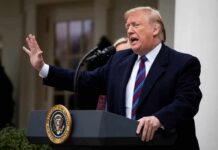
Trump gave a very different explanation in front of cameras. He told reporters he was sending the new plane ahead to Britain so American troops could tour it, saying he would ride the old Air Force One “for old time’s sake.” When pressed on whether security fears about Iran drove the decision, he did not clearly deny any threat existed. Instead, he said he was “number one on the kill list for Iran,” a phrase that grabbed headlines but did not answer the core question.
That mixed message matters because it feeds the belief, on left and right, that Washington never tells the full truth. If the switch was mainly about security, people ask why the president downplayed that and leaned on a public‑relations story about showing off a “magnificent” plane to the troops. If it was mostly about optics, people want to know whether unnamed officials are using “credible threat” language to steer policy from the shadows. Either way, trust erodes.
Leaks, Secrecy, And A Growing Crisis Of Trust
Most details about the threat come from anonymous officials speaking to news outlets, not from names on the record. Reporters say these sources described Iranian proxy forces targeting Trump and Air Force One, and that the Secret Service pushed hard for the swap out of “an excess of caution.” At the same time, there is no public threat memo, no declassified intelligence summary, and no technical report on the newer jet’s defenses for citizens to review.
President Trump flew home from Turkey on an older Air Force One due to a credible threat from Iran. The newer Qatari-gifted jet lacks advanced defenses, prompting the switch. The Secret Service advised the change for safety, highlighting ongoing … https://t.co/VMFXw7zKRF pic.twitter.com/Dvf5fXMtj9
— NewsRadio WKCY – 107.9 FM (@newsradiowkcy) July 25, 2026
For many Americans, this episode looks like a familiar pattern. Powerful agencies cite secret dangers. Politicians offer shifting or incomplete stories. The press relies on leaks instead of open records. Regular people, who pay for all of it, are left to guess what is real. Conservatives see more evidence of a national security world that answers to itself. Liberals see another moment where elites circle the wagons and shut the public out. Both sides walk away more convinced the system is rigged.
What This Says About Power, Safety, And The Deep State Debate
This plane switch also ties into deeper fears about who truly runs the country. The older Air Force One is a symbol of America’s post‑Cold War power, built for nuclear command and crisis. The new Qatar‑linked jet has been attacked as a flashy symbol of global deals and elite perks. When unelected security officials can overrule a president’s travel choice, based on secrets no one can see, many citizens wonder whether they are watching responsible caution or an unaccountable “deep state” at work.
At the same time, few people want a president gambling with his life or with national command systems to save face or showcase a plane. That is the knot at the center of this story. Americans are being asked to trust institutions that have often failed them, while also hoping those same institutions are sober enough to protect the country from foreign assassins and missiles. Until more facts are declassified and more officials speak on the record, this quiet drama on a Turkish runway will keep feeding that distrust.
Sources:
cbsnews.com, theguardian.com, euronews.com, pbs.org, youtube.com, nbcnews.com