A convicted January 6 rioter now holds a top-secret–cleared role inside one of the Pentagon’s most sensitive irregular warfare and counterterrorism offices, raising serious questions about vetting, judgment, and priorities in Washington.
Story Snapshot
- A 2023 January 6 misdemeanor convict, Elias Irizarry, now works in a sensitive Pentagon special-operations policy office
- He entered the Capitol through a shattered window with a metal pole, yet later received a top-secret clearance
- Pentagon leadership publicly praises him as a “qualified, patriotic” political appointee despite internal concern
- Opaque clearance rules and anonymous-source reporting leave Americans guessing how this hire was approved
Pentagon Hire With January 6 Conviction Sparks Vetting Concerns
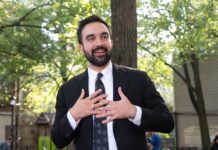
Federal court records and media reporting confirm that Elias Irizarry was convicted in 2023 for entering and remaining in a restricted building or grounds after joining the Capitol breach.[1][2] Prosecutors said he climbed through a shattered Senate Wing Door window, carried a metal pole inside the building, and spent roughly 27 minutes moving through areas like the rotunda and a conference room during the riot.[1][2] These are not disputed allegations on social media; they are drawn from the Justice Department’s own sentencing material.[1][2]
Coverage also reports that before entering the Capitol, Irizarry helped direct and encourage other rioters toward the building, fully aware that a violent disturbance was underway.[1] At the time, he was a freshman student at The Citadel, a respected military college in South Carolina, which makes his later placement inside the Pentagon even more striking for observers who expect higher standards from military-adjacent institutions.[1][2] He ultimately pleaded guilty to a single trespass-related misdemeanor in a plea deal, with other charges dropped, and was sentenced to 14 days in custody.[1][2]
From Broken Window to Special Operations Policy Office
Reports now state that Irizarry serves as a special assistant to Assistant Secretary of Defense Derrick Anderson, who leads the Special Operations and Low-Intensity Conflict policy office, a division that oversees special operations forces and irregular warfare capabilities.[1][2] That office has been described in coverage as managing highly classified military operations and handling some of the most sensitive irregular warfare and counterterrorism policy work inside the Pentagon.[1][2] According to a defense official quoted by national media, Irizarry’s position carries a top-secret security clearance.[2]
Acting Pentagon press secretary Joel Valdez publicly confirmed Irizarry’s status, calling him “a qualified, patriotic young professional” and saying leaders are proud to have him as a political appointee at the Department of War.[2] That statement emphasizes his résumé and character but does not explain how adjudicators evaluated his January 6 conduct or whether any special waiver or political exception applied. Reporting indicates that some Pentagon staff have privately questioned how a person convicted in the attack on the Capitol could be trusted in such a sensitive role, highlighting internal discomfort even as public messaging stays upbeat.[1]
Security-Clearance Process Remains Opaque to the Public
Available reporting shows that Irizarry’s conviction was a misdemeanor, not a felony national-security offense, and there is no clear public rule stating that all January 6 misdemeanants are automatically barred from sensitive Pentagon jobs.[1][2] That legal distinction matters, because security-clearance decisions weigh the totality of a person’s record, including remorse and time passed, rather than just the statute of conviction. CBS notes that Irizarry later described his actions on January 6 as a “disgrace” and said he had brought shame on himself, his family, and his country.[2] That expression of regret would have been part of any honest vetting discussion.
Elias Irizarry, convicted Jan 6th rioter, who entered through the Capitol’s windows that day with a metal pole, is the new hire at a Pentagon office that manages highly classified military operations. Trump again rewarding his loyal fellow 1/6 traitors.https://t.co/oDcSJ5oVEs
— Harvey G. Cohen (@CultrHack) June 4, 2026
However, the public does not have access to Irizarry’s security questionnaire, background investigation, or the adjudication memo that approved his clearance.[1][2] The Washington Post story that first detailed his current role relied on four unnamed sources, and no underlying personnel records or clearance files were released.[1] That leaves a gap between what Americans are being told—that a January 6 participant now works close to special-operations and counterterrorism policy—and the concrete documentary proof showing how the Department of Defense concluded he could be trusted with top-secret information.[1][2]
Symbolism, Double Standards, and the Need for Transparency
The combination of Irizarry’s background and his new billet lands directly in the broader fight over how the federal government treats January 6 defendants and how political symbolism can overshadow case-by-case judgment.[1][2] On one hand, critics point to video and prosecution statements showing a young man climbing through a broken Capitol window with a metal pole during a riot, then landing in an office that shapes irregular warfare policy, as evidence of broken standards.[1][2] On the other hand, officials emphasize his misdemeanor conviction, academic performance at The Citadel, public remorse, and formal hiring through established channels.[2]
Because the security-clearance system is largely secret, Americans are asked to simply trust that the rules were followed and that a political appointee with a January 6 record poses no insider-risk to highly classified operations.[1][2] For many citizens concerned about constitutional order, respect for the Capitol, and consistent accountability, that is a hard sell. Calls for transparency—through congressional inquiries, focused Freedom of Information Act requests, or clearer public standards—are not about relitigating January 6; they are about ensuring that those who once joined a mob at the Capitol are held to the strictest possible scrutiny before they are placed anywhere near the nation’s most sensitive military missions.[1][2]
Sources:
[1] Web – The J6 Rioter Now Working at the Pentagon
[2] Web – Pentagon hires SC Jan. 6 convicted rioter to sensitive military post