
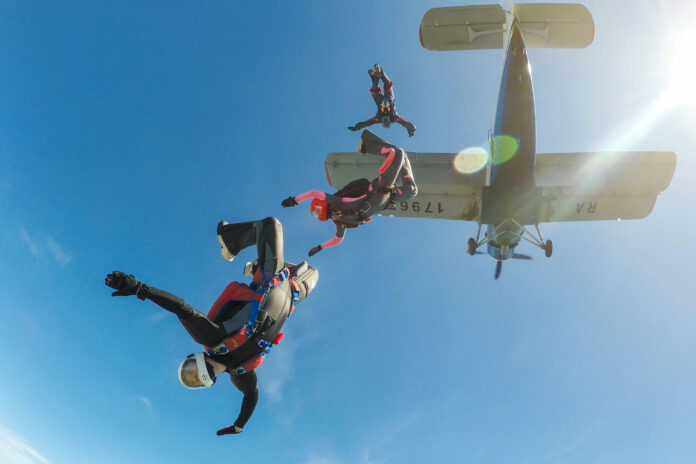
A recent wave of skydiving deaths in the United Kingdom has exposed a chilling reality beneath the sport’s adventurous veneer: sabotage, suicide, and murder are infiltrating drop zones, turning what should be regulated recreational activity into scenes of premeditated violence and psychological collapse.
Disturbing Pattern Emerges in UK Skydiving Community
The Telegraph reported on May 7, 2026, that British authorities are investigating multiple parachuting fatalities occurring throughout 2025 and 2026. These deaths differ markedly from the sport’s typical accident profile, which shows a fatality rate of approximately 0.39 per 100,000 jumps according to United States Parachute Association data. Instead, investigators suspect deliberate acts including equipment sabotage, self-harm, and potential murder. The British Parachute Association has urged members to exercise heightened vigilance while police pursue active investigations, though specific details about victims and suspects remain unreleased pending ongoing inquiries.
Historical Sabotage Cases Provide Disturbing Precedents
The 2026 wave echoes previous incidents that shocked the skydiving world. In 2003, twenty-year-old Stephen Hilder died after both his main and reserve parachutes were deliberately cut at a Hibaldstow drop zone. Forensic examination revealed expert-level sabotage, yet the coroner returned an open verdict after investigators failed to determine whether Hilder cut his own chutes or fell victim to murder. Despite debt pressures totaling £17,000, peers insisted Hilder showed no suicide indicators. Police arrested two teammates, Adrian Blair and David Mason, but released both without charges, leaving the case unresolved and fueling nationwide paranoia among British skydivers.
Cilliers Conviction Exposes Sinister Motivations
Army Sergeant Emile Cilliers provided the most clear-cut example of parachute murder when he tampered with his wife Victoria’s equipment in 2015. Victoria Cilliers, an experienced skydiver with thousands of jumps, survived a catastrophic fall after both parachutes failed. Investigators discovered Emile had deliberately sabotaged her rig, motivated by a £120,000 insurance payout and an extramarital affair. Wiltshire Crown Court convicted him of attempted murder in 2018, sentencing him to life imprisonment. The case demolished defense claims of equipment fault through irrefutable tampering evidence, demonstrating how close relationships provide access necessary for deadly sabotage in environments where skydivers routinely trust teammates with their lives.
Industry Faces Pressure for Security Overhaul
The recurring incidents expose critical vulnerabilities in current safety protocols. Following the Hilder case, UK jumpers purchased secure lockers in unprecedented numbers, with sales increasing 30% as participants sought protection from potential saboteurs. British Parachute Association officials acknowledge that dual parachute failures occur in fewer than one in 10,000 jumps when mechanical causes alone are considered, making human intervention the primary factor in cases where both systems fail. Industry experts now advocate for mandatory psychological evaluations, comprehensive background checks, and CCTV installation at drop zones. These measures face resistance from operators concerned about liability costs and privacy intrusions, yet the alternative—continued erosion of public trust—threatens the sport’s viability as participation rates decline.
The 2026 death wave arrives amid post-COVID surges in participation that have strained mental health resources within the skydiving community. Competition environments at facilities like Hibaldstow and Netheravon foster intense camaraderie but also rivalries that can amplify personal pressures. Forensic psychologists link financial stress, relationship conflicts, and performance anxiety to impulsive acts, whether self-directed or aimed at others. The sport’s culture of peer equipment checks, designed as a safety net, paradoxically creates opportunities for those with malicious intent who exploit the trust inherent in these procedures. Without comprehensive reforms addressing both equipment security and participant screening, the skydiving industry risks transforming from a calculated adventure into a gamble on human nature’s darkest impulses.
Sources:
Freak accidents, suicides, attempted murder: The dark side of skydiving – The Telegraph
Death of Stephen Hilder – Wikipedia
Victoria Cilliers Skydive Murder Plot – A&E