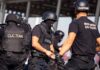

A U.S. special operations soldier faces federal prosecution for allegedly exploiting classified military intelligence to pocket over $400,000 on prediction markets, marking the first-ever insider trading case targeting these platforms and exposing dangerous vulnerabilities in national security protocols.
Special Ops Soldier Exploits Classified Mission Intelligence
Gannon Ken Van Dyke, a special operations soldier stationed at Fort Bragg, leveraged his insider knowledge of Operation Absolute Resolve to place strategic bets on Polymarket in December 2025. Van Dyke had signed non-disclosure agreements prohibiting him from revealing classified details about the mission to capture Venezuelan President Nicolas Maduro. Despite these legal obligations, he created a Polymarket account and wagered $33,933 across four predictions related to Maduro’s removal and potential U.S. military action in Venezuela. His largest single bet—$32,537 wagered that Maduro would be out of office by January 31—generated a staggering 1,242 percent return, netting him $404,222 alone.
Unprecedented Federal Charges Target Prediction Market Fraud
The Department of Justice announced Van Dyke’s indictment on April 23, 2026, charging him with unlawful use of confidential information for personal gain, theft of nonpublic government information, commodities fraud, and wire fraud. This prosecution represents a landmark case—the first time federal authorities have applied insider trading statutes to prediction markets rather than traditional securities. The charges demonstrate that the Trump administration’s DOJ views these emerging platforms as requiring the same legal protections against information asymmetry that govern stock markets. Prosecutors established a clear timeline showing Van Dyke placed his bets just days before President Trump’s public announcement of Maduro’s capture, creating an unmistakable pattern of exploiting advance knowledge.
Cover-Up Attempts Follow Suspicious Trading Activity
When reports surfaced about unusual trading patterns on Polymarket related to the Venezuela operation, Van Dyke allegedly attempted to destroy evidence of his illegal activity. Federal prosecutors documented his efforts to delete his Polymarket account and change the email address registered to his cryptocurrency exchange account. These actions suggest consciousness of guilt and an understanding that his bets would attract scrutiny. Polymarket’s internal monitoring systems detected the suspicious activity and promptly referred the matter to federal authorities, with the platform publicly stating that insider trading has no place on their service. The platform’s proactive response demonstrates growing awareness within the prediction market industry about maintaining integrity.
National Security Implications Raise Operational Concerns
This case exposes critical vulnerabilities in military operational security when personnel with classified access participate in financial markets without proper oversight. Van Dyke’s ability to monetize sensitive intelligence about a major geopolitical operation raises serious questions about existing protocols governing service members’ financial activities. Other Polymarket traders who placed opposing bets lost money directly because of Van Dyke’s illegitimate information advantage, undermining the fairness that makes prediction markets viable forecasting tools. The prosecution may accelerate regulatory frameworks for prediction markets and could prompt stricter policies restricting government employees with security clearances from participating in platforms where geopolitical events determine financial outcomes. For conservatives concerned about government accountability and the rule of law, this case demonstrates that even emerging technologies require enforcement of basic principles preventing abuse of public trust for private enrichment.
Sources:
DOJ Arrests Soldier Who Made $400,000 Betting on Maduro’s Removal – ABC News