
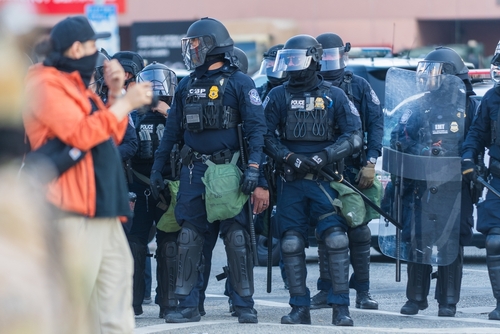
Three off-duty Toronto police officers went to Barcelona for a vacation and ended up in handcuffs, accused of assaulting a sex worker in the back seat of a taxi.
What Allegedly Happened In That Barcelona Taxi
Reports from Catalonia describe a cramped taxi on May 13 as the setting for the allegations now shaking Toronto’s police leadership. Spanish authorities told Canadian media that a sex worker reported being assaulted during the ride, with one officer in the front passenger seat and two in the back with her. In that tight space, one man allegedly groped her, and when she resisted, another allegedly punched her in the face, hard enough that she later required medical treatment. [1][2]
Police in Barcelona did not wait long to act. By May 15, they had arrested three men identified as off-duty Toronto police officers vacationing in the city. [1][2] Spanish officials reportedly laid a sexual assault charge against one officer and an assault-causing-injury charge against another, while a third initially faced an allegation of assaulting an officer of the law. [2] Global News also reported that one of the accused was picked up on the island of Mallorca, after allegedly leaving Barcelona following the incident. [1]
How Toronto Police Responded Back Home
Toronto Police Service quickly confirmed that the men under arrest in Spain are members of its force, stressing they were off duty and not in any official capacity during their time in Barcelona. [1][2] That detail matters: it defines this not as an operational failure, but as a character and culture test for the institution. The service announced that one officer was suspended on arrival in Canada, with the other two to be suspended when they return, and all initially kept on paid leave as required under Ontario’s policing law. [1][2]
Officials in Toronto walked a narrow line between condemnation and due process. A spokesperson called the allegations “serious,” while the mayor underscored that public confidence in policing depends on how such cases are handled. [1][2] Yet she also emphasized a core Western legal principle: until a court finds otherwise, the officers are presumed innocent. [2] For many citizens, that combination—strong words but cautious action—feels familiar: tough talk, slow consequences. For conservatives who value both law and order and individual due process, this tension is the heart of the story.
The Public-Trust Fallout When Cops Are The Accused
Sex-assault allegations already test public faith in the justice system; allegations against police officers multiply the stakes. Every detail here lands with extra weight: the complainant’s job as a sex worker, the foreign jurisdiction, the suggestion that one officer tried to put distance between himself and the case by leaving for Mallorca. [1] Citizens who already doubt police integrity see a pattern; citizens who prioritize order worry about a rush to judgment built on secondhand reporting rather than primary Spanish court documents. [1][2]
Three Toronto police officers arrested over sexual assault in Barcelona https://t.co/uO91TeNIq8
— Tara (@Halifaxidocious) May 20, 2026
Media coverage so far relies almost entirely on statements from Catalan police and summaries by Canadian reporters. [1][2] No Spanish charge sheet, no sworn complainant statement, no medical report has been made public in the material we have. That gap cuts both ways. Those inclined to believe the complainant point to the seriousness of her reported injuries and the fact that Spanish authorities laid criminal charges at all. [2] Those focused on defending due process note that one allegation against the third officer was reportedly dropped, suggesting the legal theory is already narrowing. [2]
Power, Accountability, And What Comes Next
Cases like this force a blunt question: what should happen when those paid to enforce the law abroad are accused of violating it? Conservatives often argue that real accountability means two things at once: taking accusations seriously and refusing to replace courts with social media mobs. That standard demands more than a statement and a suspension with pay. It requires Toronto Police to pursue full cooperation with Spanish authorities, preserve internal disciplinary options, and be transparent with the public once facts are known, not just when headlines flare. [1][2]
The next meaningful updates will not come from outrage on social platforms but from Spanish courtrooms and bureaucratic files. Charging instruments, medical assessments, taxi data, and officer travel records will either reinforce the core taxi narrative or punch serious holes in it. Until then, this case stands as a warning about the fragility of trust: send three officers on vacation, get back three suspensions, and hand your critics one more story about a police culture that too often seems to protect its own until the evidence becomes impossible to ignore. [1][2]
Sources:
[1] YouTube – 3 off-duty Toronto cops charged with sexually assaulting …
[2] YouTube – Toronto officers facing sex assault charges is Spain