
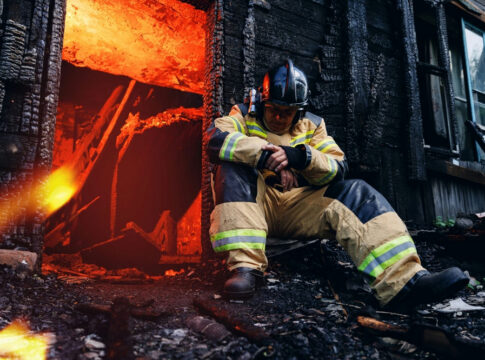
In a packed Bangkok pub with no usable fire exits, a blown circuit breaker turned a night out into a death trap for dozens of people.
Story Snapshot
- Fire at the Na Ladprao pub in Bangkok killed at least 27 people and injured more than 60.
- Witness reports point to an electrical failure near the stage that sparked a fast-moving blaze.
- Blocked or inadequate exits left many people trapped inside as smoke and flames spread.
- The disaster echoes past nightclub fires where safety rules existed on paper but failed in practice.
What Happened Inside the Bangkok Pub
Late Sunday night, a fire tore through a crowded pub near Lat Phrao Road in Bangkok’s Chatuchak district, killing at least 27 people and injuring more than 60. Thai media and local officials said the blaze broke out during a live music event while the venue was packed with customers enjoying food, drinks, and a show. Video from the scene showed flames shooting from the building and thick smoke pouring into the night sky as people screamed for help outside.
Footage and early reports suggest the fire started near the stage after a circuit breaker blew, cutting power and triggering an explosion that ignited flammable soundproofing foam on the walls and ceiling. Once the foam caught fire, flames spread quickly across the venue, filling the interior with toxic smoke in seconds. Survivors described panic as the lights went out, the room filled with fumes, and the crowd rushed toward what they thought were exits, only to find some doors blocked or unusable.
Rescue Efforts and Human Toll
Rescue workers, firefighters, and police rushed to the scene and battled the blaze for hours before bringing it under control. First responders carried victims from the building and lined the bodies in rows outside as ambulances ferried the injured to nearby hospitals. Many victims suffered severe burns and smoke inhalation, and officials warned the death toll could rise as some of the wounded remain in critical condition. Authorities said most of the dead were Thai citizens, though full identification is still underway.
Local coverage and on-the-ground video show the chaos that followed as families and friends gathered outside the cordoned area searching for missing loved ones. Some people held up phone photos, begging officers and medics for any news. Hospitals published partial victim lists to help relatives locate survivors. For many, the pain is made worse by the feeling that this was not just bad luck. People went out for a simple night of music and drinks and never came home, largely because the building failed them when it mattered most.
Why Exits, Codes, and Corruption Matter
Early evidence points to two main problems: a possible electrical fault that sparked the blaze and a building that was not truly safe for the number of people inside. A social media post citing investigators said the pub was crowded and that emergency exits were blocked or hard to reach, forcing many to run toward the back of the building where no clear escape route existed. That combination—overcrowding, flammable materials, and poor exits—is what turns a normal fire into a mass-casualty event.
This pattern is not new, in Thailand or worldwide. In 2009, a blaze at the Santika nightclub in Bangkok, fueled by indoor fireworks and poor safety planning, killed around 66 to 67 people and injured more than 200. A 2022 fire at the Mountain B pub in eastern Thailand killed at least 13 people and wounded dozens more under similar conditions of tight space and quick-spreading flames. Lists of past nightclub fires show the same causes repeating: pyrotechnics, bad wiring, flammable decor, and exits that fail in the crunch.
Accountability, Trust, and a Global Warning
Thai authorities have opened an investigation into the Bangkok pub fire, focusing on possible code violations and whether the building was operating legally for its crowd size and design. In earlier nightclub disasters, local and national officials sometimes faced charges for looking the other way while unsafe venues stayed open. That history raises hard questions many readers will recognize at home: Who is the system really protecting—the public, or business owners with the right connections?
🚨 BREAKING: Fire at Na Ladprao pub in Bangkok kills 27, injures 63. Casualties expected to rise. Investigation underway. #BangkokFire #Thailand
— GlobalFlash (@GlobalFlash_Cam) July 13, 2026
For Americans and others watching from afar, this story is about more than a single tragedy in Bangkok. It highlights a global problem where safety rules often exist on paper but are weakly enforced in real life, especially when it might cut into profits or tax revenue. People across the political spectrum, in Thailand and the United States, already feel that elites and officials are too cozy and too slow to act until after lives are lost. This fire is one more example of how ordinary people pay the price when systems meant to protect them fail.
Sources:
youtube.com, facebook.com, kens5.com, king5.com, kvia.com, dailymotion.com, cbsnews.com, pubmed.ncbi.nlm.nih.gov, everythinggp.com, pbs.org