
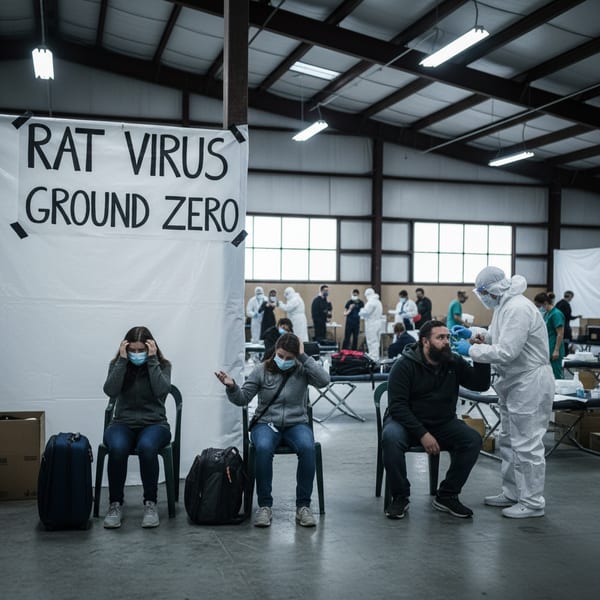
Health experts warn that hantavirus poses a dangerous super spreader threat due to its lengthy incubation period followed by sudden, severe symptoms that can prove fatal within days of onset.
Silent Spread Creates Danger
The virus remains dormant in infected individuals for weeks before symptoms appear, creating a window where carriers unknowingly expose others. This extended incubation period allows the pathogen to spread widely through communities before anyone realizes transmission has occurred. When symptoms finally emerge, they strike with devastating speed, progressing from flu-like complaints to life-threatening respiratory distress in just 24 to 48 hours. The Centers for Disease Control confirms no cure exists for hantavirus pulmonary syndrome, which kills approximately 38 percent of those infected.
Recent cruise ship outbreaks have intensified concerns among public health officials. Six Americans returning from an infected vessel now face surveillance by health authorities scrambling to track potential exposures across multiple states. The outbreak demonstrates how quickly the virus can move through confined spaces where people gather in close quarters. Unlike typical respiratory illnesses, hantavirus spreads primarily through rodent droppings, urine, and saliva that become airborne when disturbed. This transmission method means traditional social distancing offers limited protection in contaminated environments.

#Hantavirus #UK #BreakingNews #Breaking Good Thursday Happy Friday Eve Labour Bayern

Limited Treatment Options
Medical professionals emphasize early detection remains critical despite the absence of specific antiviral treatments. Patients who reach intensive care units before severe respiratory failure develops have better survival odds. Supportive care including oxygen therapy and mechanical ventilation can help some patients through the acute phase. However, the rapid progression from initial symptoms to critical illness leaves little time for intervention. Health officials urge Americans exposed to rodent-infested areas to monitor for fever, muscle aches, and breathing difficulties, seeking immediate medical attention if these warning signs appear.
Prevention Remains Key Defense
Authorities recommend sealing homes against rodent entry, using proper protective equipment when cleaning potentially contaminated spaces, and avoiding areas with visible rodent activity. The virus cannot spread person to person in most cases, but environmental contamination poses ongoing risks. Public health departments continue monitoring the cruise ship passengers and their contacts while investigating how the outbreak originated. This latest incident underscores the importance of vigilant rodent control measures in both residential and commercial settings to prevent future outbreaks of this deadly pathogen.